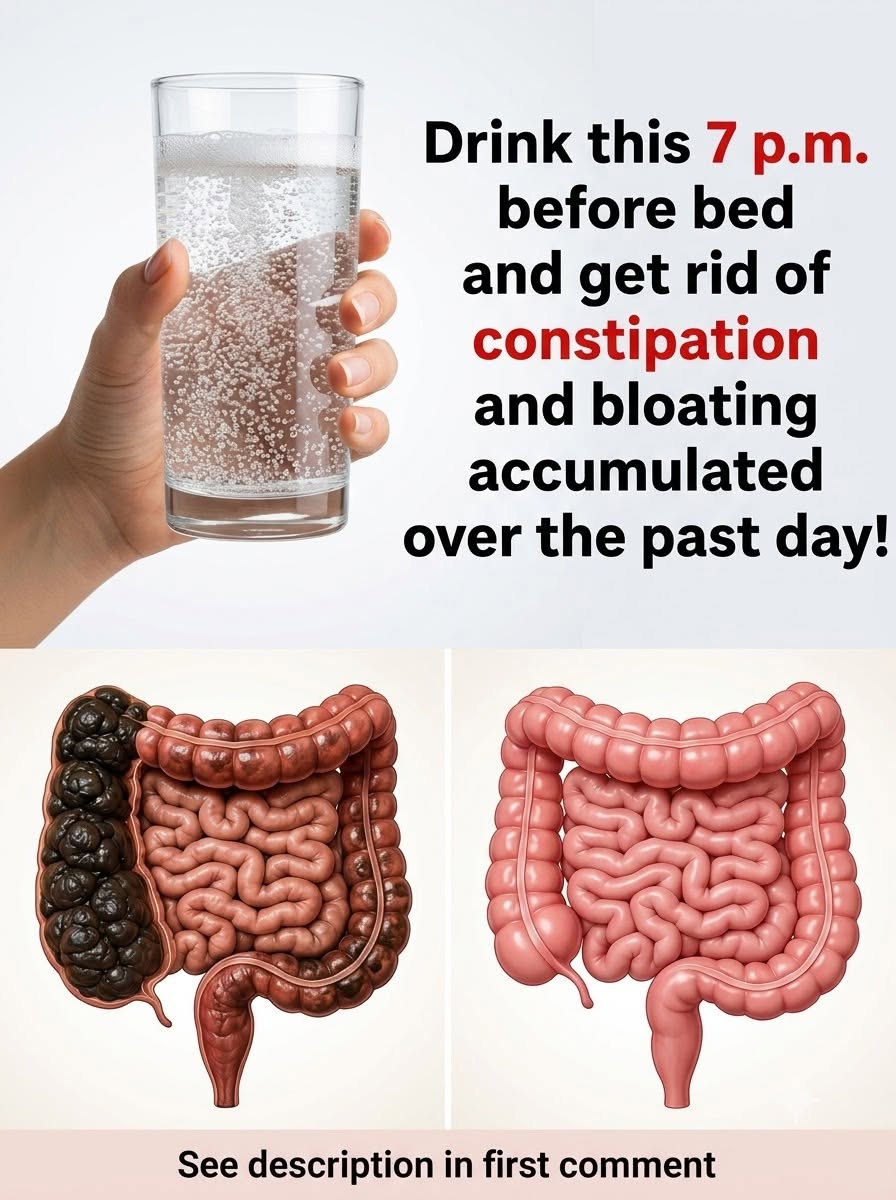
Slow-Transit Constipation and Abdominal Distension
To effectively resolve intestinal sluggishness, it is imperative to analyze the pathophysiological mechanisms responsible for stool retention and gaseous bloating. Constipation primarily develops when fecal material remains within the large intestine for an extended duration. As the colonic mucosa continually absorbs water from the luminal mass, the stool becomes dry, hardened, and difficult to propel outward.
Several primary biological factors account for this diminished transit velocity:
-
Inhibited Peristaltic Waves: Peristalsis consists of synchronized, rhythmic muscular contractions coordinated by the enteric nervous system to move waste